




Can You Get Braces or Invisalign After a Root Canal?
Many people dream of achieving a perfectly straight, confident smile. However, past dental work can sometimes make you second-guess your options. If you recently had a root canal, or if you know you need one soon, you might wonder how this impacts your orthodontic future. Can you still get braces or Invisalign after undergoing this procedure?
We hear this common question frequently at Gladwell Orthodontics. The short answer is a resounding yes. You can absolutely undergo orthodontic treatment after a root canal. Your past dental procedures do not disqualify you from getting the smile you deserve.
This comprehensive guide will explain exactly how braces and Invisalign interact with teeth that have undergone a root canal. We will explore the amazing benefits of preserving your natural teeth, the biology behind moving a treated tooth, and the special considerations your orthodontist will keep in mind to keep your smile healthy and safe.
Understanding the Root Canal Procedure
Before we look at how orthodontic treatment works with a root-canaled tooth, it helps to understand what the procedure actually involves. Dentists perform root canals to repair and save a tooth that suffers from severe decay or infection.
Deep inside your tooth sits a soft tissue called the pulp. This pulp contains nerves, blood vessels, and connective tissue. When a deep cavity or a crack allows bacteria to reach the pulp, it becomes infected. If left untreated, this infection causes severe pain and can lead to an abscess.
During a root canal, an endodontist or dentist carefully removes the infected nerve and pulp from the inside of the tooth. They thoroughly clean and disinfect the inner chambers. Finally, they fill and seal the space to prevent any future bacterial invasion. Often, they place a dental crown over the tooth to restore its full strength and function.
The Amazing Benefits of Saving Your Tooth
You might wonder why a dentist goes through the trouble of a root canal instead of simply pulling the problem tooth. Saving your natural tooth always provides the best outcome for your long-term oral health.
Preserving the tooth through a root canal is usually much more cost-effective than extracting it and replacing it with a dental implant or a bridge. More importantly, keeping your natural tooth root in place preserves your jawbone. When you lose a tooth, the bone in that area naturally begins to deteriorate over time.
By saving the tooth, you maintain your natural biting force and chewing sensation. Furthermore, keeping the tooth in its proper place prevents your surrounding teeth from shifting out of alignment. This gives your orthodontist the perfect foundation to work with when you decide to straighten your smile.
How Orthodontics and Root Canals Interact
 You might assume that a tooth without a living nerve cannot move like a normal tooth. Fortunately, this is a misconception. To understand why, we need to look at the fascinating biology of tooth movement.
Braces and Invisalign do not move teeth by pulling on the nerve inside. Instead, they apply gentle, continuous pressure to the outside of the tooth. This pressure affects the periodontal ligament, a hammock-like structure of tissue that holds your tooth root inside the jawbone.
When your orthodontist applies pressure to the tooth, it compresses the periodontal ligament on one side and stretches it on the other. This triggers your body to break down bone on the compressed side and build new bone on the stretched side.
Because a root canal only removes the tissue from the inside of the tooth, your periodontal ligament on the outside remains completely intact, healthy, and fully functional. Therefore, your body responds to the pressure of braces or Invisalign exactly the same way it would for a tooth that never had a root canal.
Braces or Invisalign: Which is Better for Treated Teeth?
Patients often ask if one type of orthodontic treatment works better for teeth with root canals. Both traditional metal braces and clear aligners like Invisalign work wonderfully. Your choice will depend on your personal preferences, your lifestyle, and your orthodontist’s recommendations.
Traditional Braces and Dental Crowns
If you choose traditional braces, your orthodontist will bond small brackets to the front of your teeth. If your root-canaled tooth has a porcelain or ceramic crown, the orthodontist will simply use a special type of dental adhesive to attach the bracket safely to the crown material.
Traditional braces allow the orthodontist to have precise control over the movement of each individual tooth. They can carefully monitor the root-canaled tooth and adjust the tension on the wire to ensure the tooth moves at a safe, steady pace.
The Gentle Approach of Invisalign
Invisalign uses a series of clear, removable plastic trays to shift your teeth gradually. Many adults and teens prefer this option because the aligners are virtually invisible and you can take them out to eat, brush, and floss.
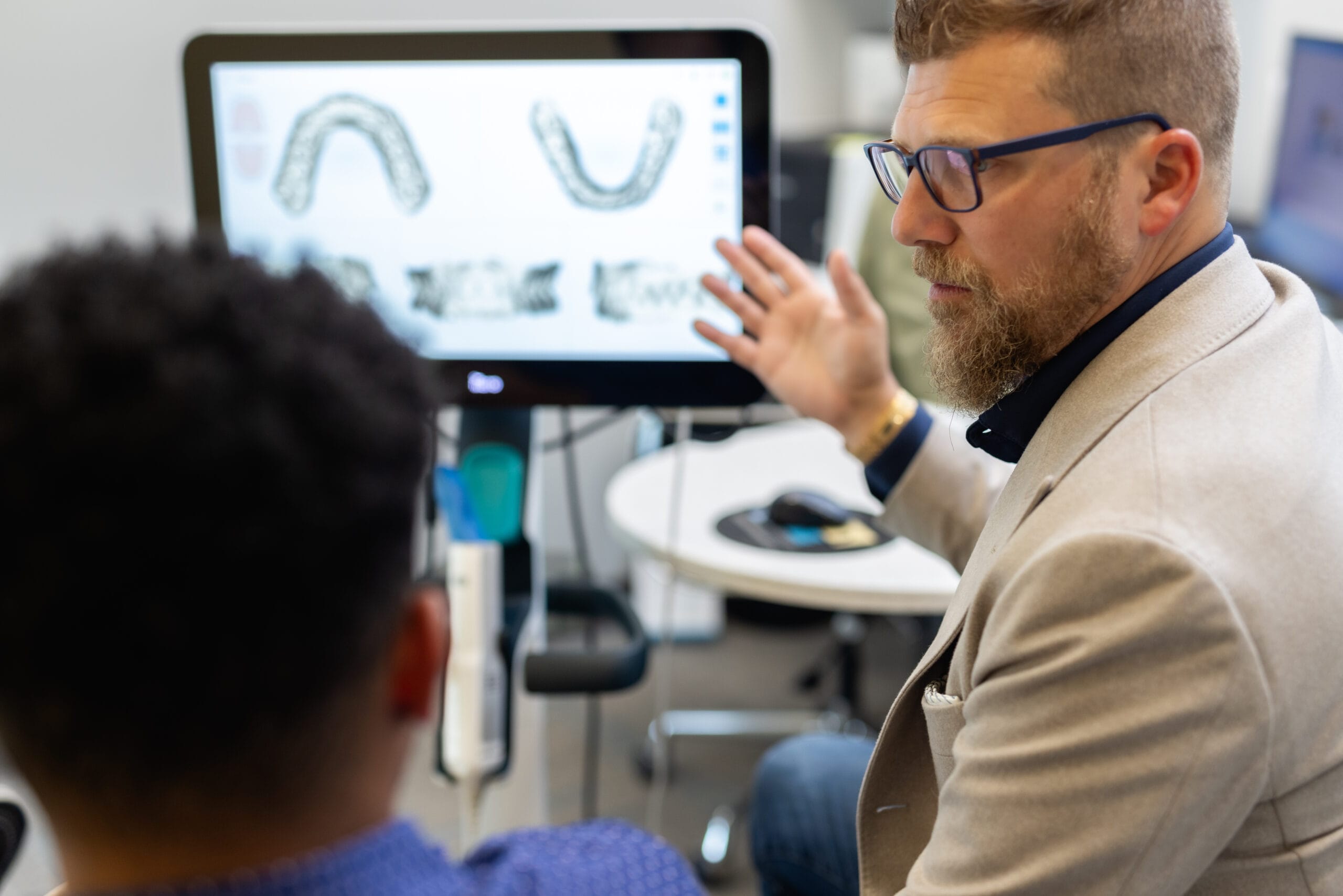
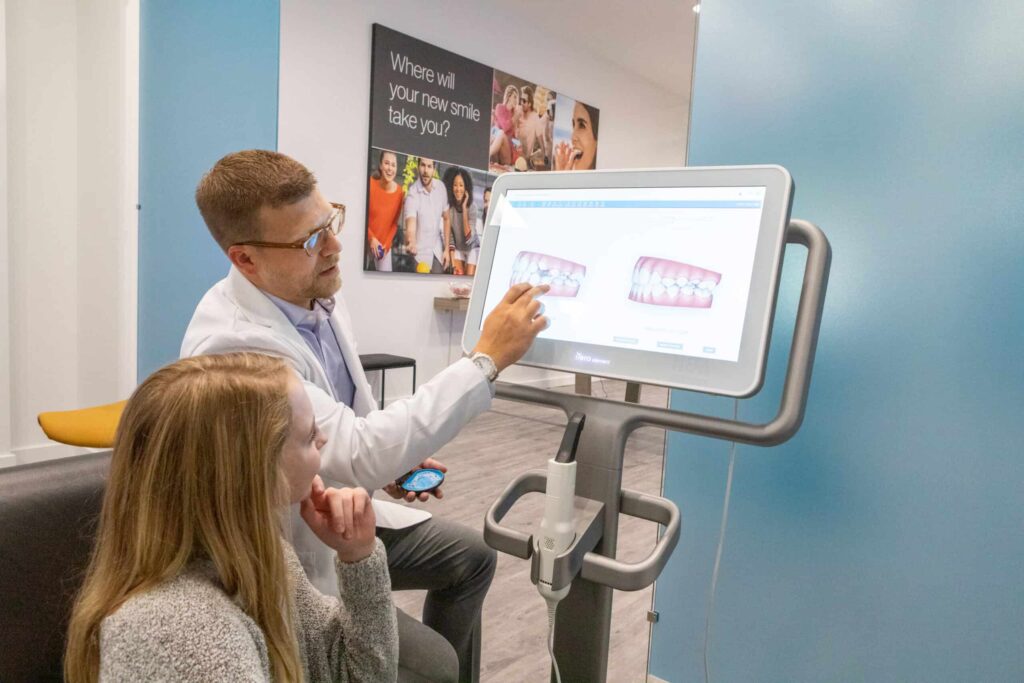
Invisalign can be an excellent choice after a root canal. The clear aligners apply very controlled, predictable forces to the teeth. Your orthodontist designs the entire treatment plan digitally before you even wear your first tray. This allows them to specifically program slower, gentler movements for the tooth that had the root canal, ensuring it experiences minimal stress during the alignment process.
Timing Your Treatment: Before, During, or After?
 When you need both a root canal and orthodontic treatment, timing plays an important role. Let us explore the different scenarios you might encounter.
Getting a Root Canal Before Orthodontics
If you know you have an infected tooth, you must prioritize your dental health before focusing on cosmetics. You should always complete your root canal and allow the tooth to heal fully before starting braces or Invisalign.
Moving a tooth with an active infection can cause serious complications and severe pain. Once your dentist successfully treats the infection and restores the tooth, you can confidently begin your orthodontic journey with a healthy foundation.
Needing a Root Canal While Wearing Braces
Sometimes, life throws a curveball, and a tooth becomes infected while you are already in the middle of your orthodontic treatment. If you already wear braces or Invisalign, you can still get a root canal without any major issues.
Endodontists engineer their procedures to work around the existing dental structures. If you wear Invisalign, you simply remove your tray for the procedure. If you wear traditional braces, the brackets and wires usually do not get in the way of the work performed inside the tooth.
In some cases, your orthodontist might temporarily remove the wire or a single bracket to give the endodontist better access. After the root canal heals, your orthodontist will reattach the hardware and continue your treatment seamlessly.
Take the Next Step Toward Your Dream Smile
A past root canal should never stand between you and the straight, beautiful smile you have always wanted. Whether you choose the precision of traditional braces or the convenience of Invisalign, your orthodontist can safely and effectively guide your teeth into their ideal positions. By taking a careful, personalized approach, they will protect your dental health while transforming your smile.
If you have more questions about wearing braces or Invisalign after a root canal, we encourage you to reach out to our expert team. Contact the Gladwell Orthodontics office today to schedule a comprehensive consultation. We will gladly evaluate your unique smile, explain your options in detail, and help you take the first exciting step toward lifelong dental confidence.
Other Invisalign Pages People Find Interesting: Invisalign Info, Invisalign Videos, Invisalign Testimonials, Invisalign FAQs, and GLO Teeth Whitening