




Early Prevention
Early Orthodontic Treatment for Children also known as Phase One typically begins around age eight or nine

Why Early Orthodontic Evaluation Matters
The American Association of Orthodontists recommends children receive their first evaluation by age 7. At this age, your child still has a mix of baby and permanent teeth — giving us a clear picture of how their bite is developing.
Early prevention doesn’t always mean early braces. It means catching potential issues before they become bigger, more complex, or more expensive to correct.
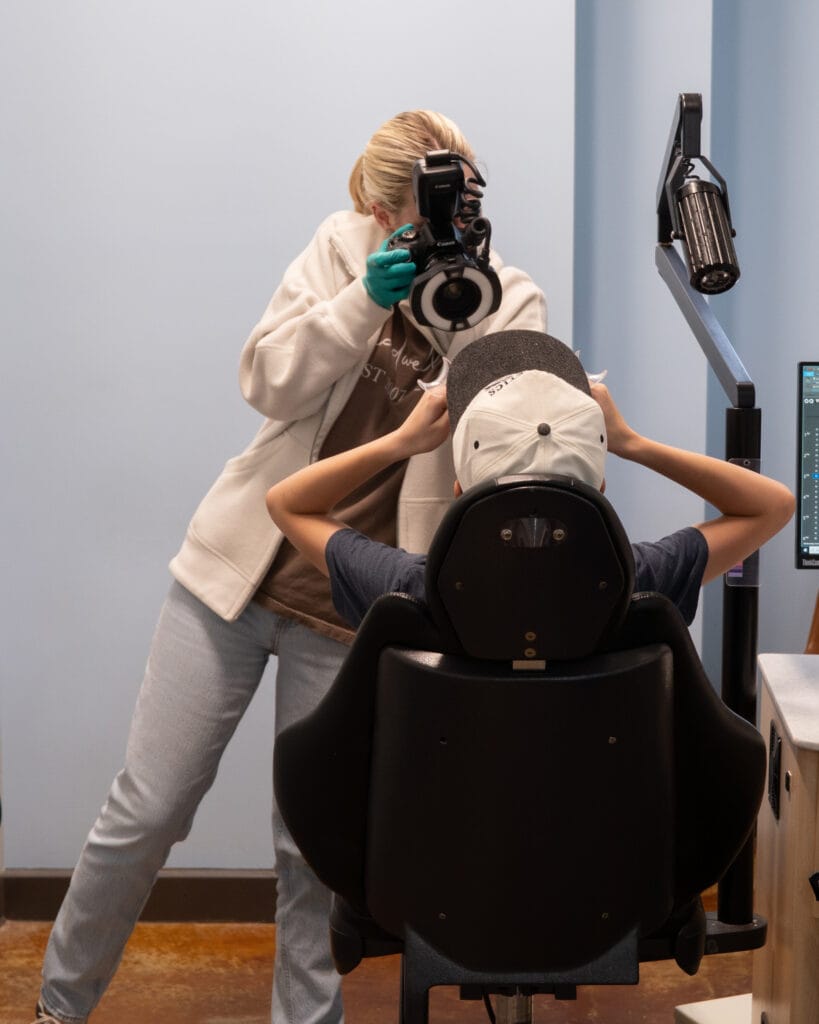
When Should Children See an Orthodontist?
The American Association of Orthodontists recommends an evaluation by age 7. At this stage, your child has a mix of baby and permanent teeth, making it the ideal time to spot developmental issues such as:
- Early crowding
- Crossbites
- Open bites
- Overbites or underbites
- Narrow jaw or palate
- Thumb-sucking effects
- Early tooth loss patterns
Early detection doesn’t always mean early braces. It simply means early awareness.
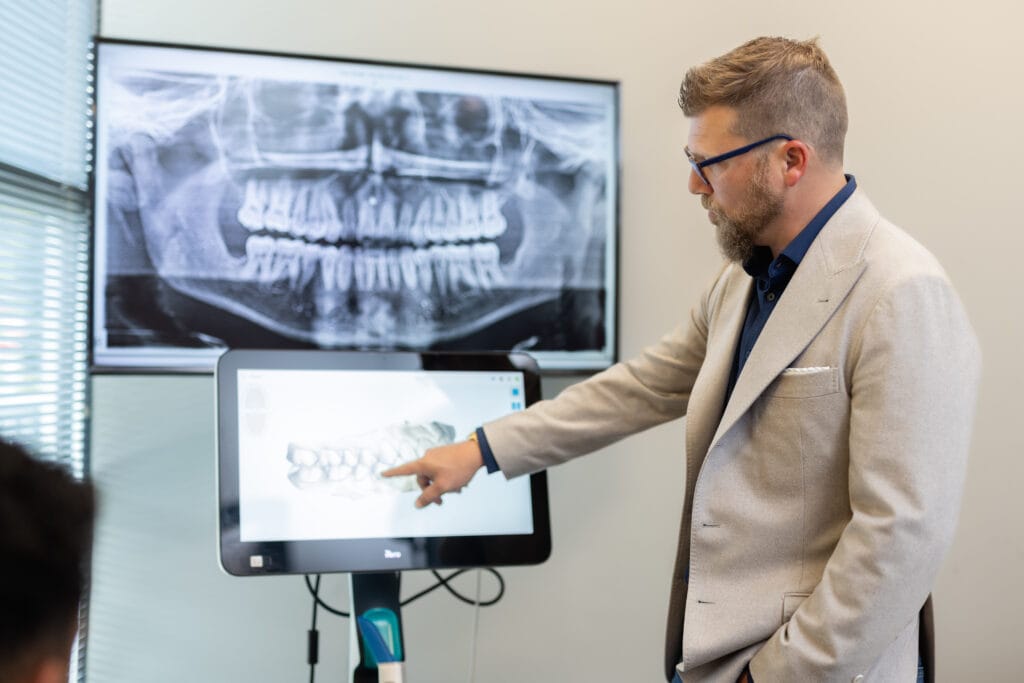
What We Look For During an Early Evaluation
During the initial visit, we assess:
- Crowding or spacing problems
- Alignment of the jaws
- Eruption patterns of permanent teeth
- Oral habits that may affect development (thumb sucking, tongue thrusting)
By identifying these early, we can guide growth rather than waiting for problems to fully form.
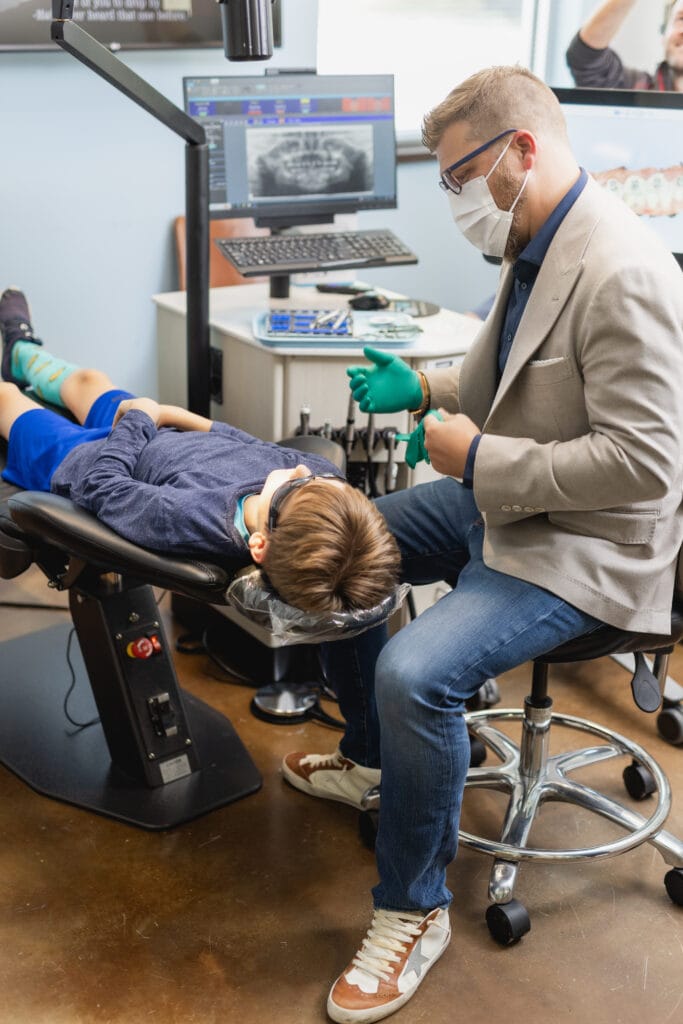
Phase I: Guiding Healthy Development
If early intervention is recommended, treatment often includes:
-
Expanders
Widen the upper jaw to create adequate space for proper tooth alignment and improved breathing
-
Partial braces
Target specific teeth to guide them into proper position during critical growth phases
-
Space Maintainers
Preserve space for permanent teeth after early loss of primary teeth
-
Habit Correctors
Address thumb sucking and other oral habits that can affect dental development
-
Growth Guidance Appliances
Direct jaw development to achieve optimal facial balance and bite relationship
The goal is to create room for incoming teeth, encourage ideal jaw development, and prevent the need for extractions or more invasive treatment later.
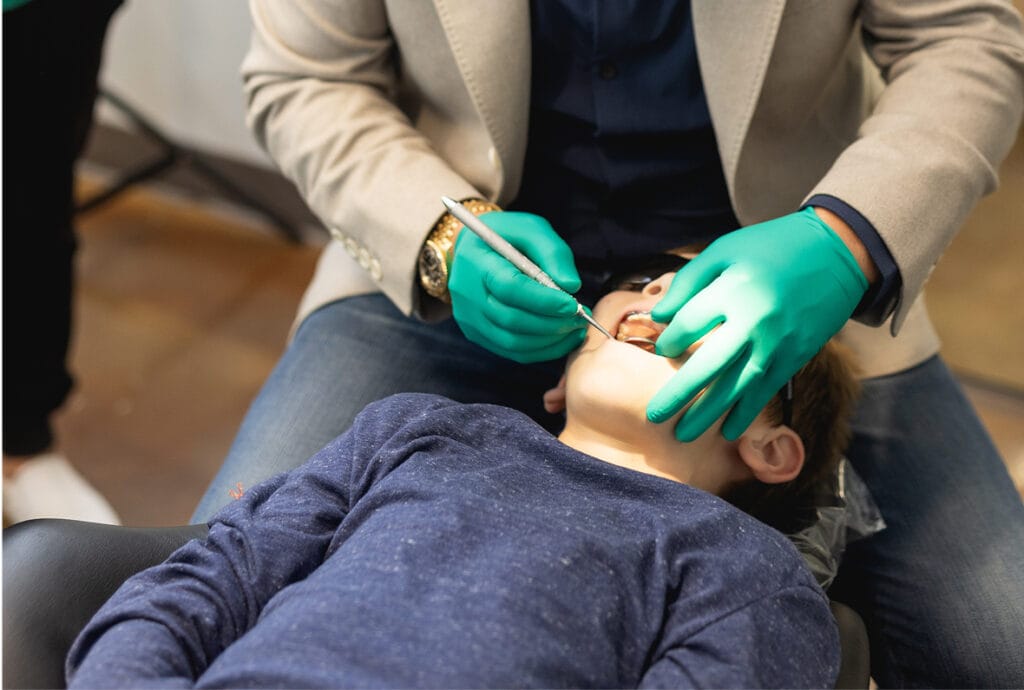
Benefits of Early Prevention
Parents choose early orthodontic intervention because it can:
- Reduce the need for future tooth removal
- Improve airway development
- Help permanent teeth erupt correctly
- Correct bite discrepancies early
- Prevent trauma to protruding front teeth
- Establish long-term oral stability
Early guidance often leads to shorter and easier Phase II treatment as teens.
Monitoring Is Just as Important
If your child isn’t ready for treatment, we’ll place them in our growth and development program, where we evaluate changes every 6–12 months.

Regular Check-ins
Every 6-12 months

Precise Timing
Start at the right moment

Track Development
Monitor growth patterns
This ensures we begin treatment at precisely the right time.
Set Your Child Up for a Healthy Smile
Early prevention is one of the best investments you can make for your child’s oral health.Schedule a consultation, and we’ll guide you through every step of the process.