



Why Is My Jaw Popping After Braces?
 Finishing your orthodontic treatment is an exciting milestone. You have a straighter, healthier smile to show for your dedication. However, some people notice new or unusual symptoms after their braces come off, like a popping or clicking sound in their jaw. If you are experiencing this, it is natural to feel concerned. While braces are designed to align your teeth, not cause jaw issues, this popping can be a sign of an underlying condition.
This guide will explain why your jaw might be popping after braces, what the temporomandibular joint (TMJ) is, and how its function relates to your symptoms. We will cover the common signs of TMJ disorders, how they are diagnosed, and what treatment options are available, from simple at-home care to professional intervention.
What is the Temporomandibular Joint (TMJ)?
Before we explore why your jaw is popping, it’s important to understand the joint responsible for the noise. The temporomandibular joint, or TMJ, is one of the most complex joints in your body. You have one on each side of your head, located just in front of your ears, connecting your lower jaw (mandible) to your skull.
This joint acts like a sliding hinge, allowing your jaw to perform a wide range of motions. It enables you to open and close your mouth, chew your food, speak, and yawn. When this intricate system of muscles, ligaments, and bone works correctly, movement is smooth and silent. A popping sound indicates that something may be interfering with this seamless motion.
Why Braces Can Affect Your Jaw
Orthodontic treatment with braces creates significant changes in your mouth. By moving your teeth into proper alignment, braces also alter your bite—the way your upper and lower teeth meet. For most people, this results in a more comfortable and functional bite.
However, as your jaw adapts to this new alignment, the muscles and joints may need time to adjust. Sometimes, this adjustment period can lead to new stress on the TMJ, potentially causing the joint’s disc to slip out of place or muscles to become tense. This can result in the popping or clicking you hear. It’s also possible that a pre-existing, unnoticed TMJ issue becomes more apparent after your bite has changed.
Recognizing the Symptoms of TMJ Disorder (TMD)
Jaw popping is often one of the first signs of what is known as a temporomandibular disorder, or TMD. It’s a broad term covering pain and dysfunction in the jaw joint and the muscles that control its movement. If you have TMD, you might experience other symptoms in addition to popping:
- Pain or Tenderness: You may feel pain in your jaw, in and around your ear, in your face, or even in your neck and shoulders.
- Headaches: Chronic headaches, especially upon waking, can be a sign of TMD, often related to clenching or grinding your teeth at night.
- Difficulty Chewing: Chewing may become uncomfortable or painful.
- Limited Movement or Locking: You might find it hard to open your mouth wide. In some cases, the jaw can get “stuck” or “lock” in an open or closed position.
- A Grating Sensation: In addition to popping, you might feel a grating feeling when you move your jaw.
These symptoms can range from mild to severe and may worsen over time if left unaddressed. It is crucial to consult a professional if you notice any of these signs.
How Is TMD Diagnosed?
If you suspect you have TMD, scheduling an appointment with your orthodontist is the first step. A professional evaluation is necessary to get an accurate diagnosis and rule out other potential problems.
During your appointment, your orthodontist will likely:
- Discuss Your Symptoms: You’ll be asked to describe the popping sound, any pain you’re feeling, and when the symptoms occur.
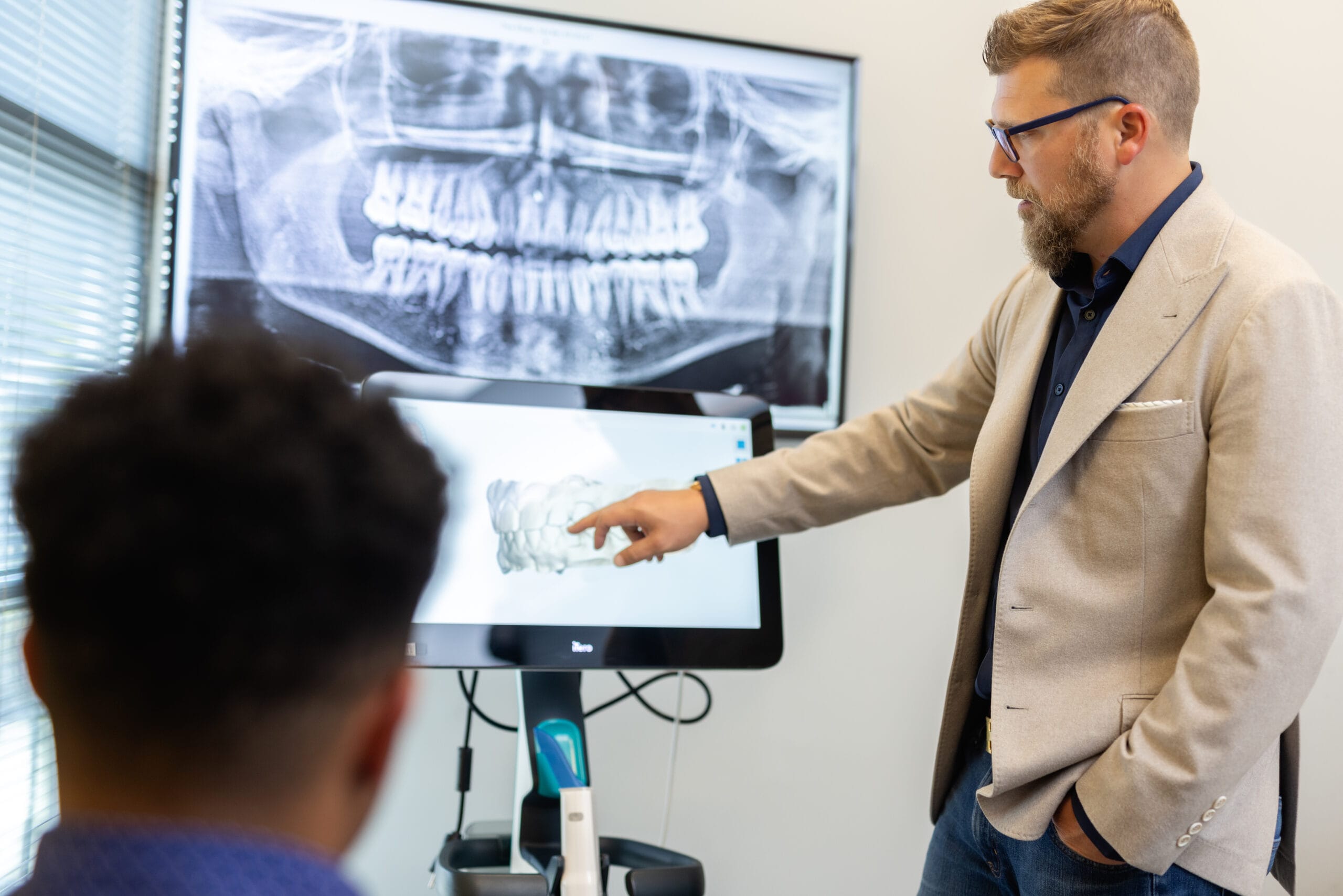
- Perform a Physical Exam: Your orthodontist will gently feel the areas around your jaw while you open and close your mouth. They will listen for clicking or popping sounds and observe your jaw’s range of motion.
- Check for Pain Points: They may press on different parts of your head and neck to identify areas of sensitivity or pain.
- Take Dental X-rays: Imaging allows your orthodontist to get a clear view of your teeth, jawbone, and the joint itself to identify any structural issues.
In some cases, more advanced imaging like a CT scan or MRI may be recommended to get a detailed look at the bone and soft tissues of the joint, including the disc.
Professional Treatments for TMD
Once a diagnosis is confirmed, your orthodontist will recommend a treatment plan tailored to your specific needs. The goal is always to start with the most conservative and non-invasive options first.
Common professional treatments include:
- Night Guards or Splints: If teeth grinding (bruxism) or clenching is contributing to your symptoms, a custom-made night guard can help. This oral appliance fits over your teeth to reduce pressure on the jaw joint and prevent damage from grinding.
- Medications: For acute pain and muscle tension, over-the-counter pain relievers like ibuprofen can be effective. In more severe cases, a muscle relaxant or anti-inflammatory prescription might be suggested.
- Physical Therapy: Specific exercises can help stretch and strengthen jaw muscles, improving mobility and reducing pain.
- Stress Management: Since stress often leads to clenching, techniques like meditation and mindfulness can help relax your jaw muscles.
Surgery is considered a last resort and is only recommended for severe cases where structural problems in the joint have not responded to other treatments.

How to Manage TMD Symptoms at Home
Alongside professional care, there are many simple and effective strategies you can use at home to relieve discomfort and reduce strain on your jaw.
– Watch What You Eat
Give your jaw a rest by sticking to a soft-food diet when symptoms flare up. Choose foods like yogurt, soup, mashed potatoes, and smoothies. Avoid hard, crunchy, or chewy foods (like tough bread, nuts, and chewing gum) that require a lot of force to eat. Cutting food into small, bite-sized pieces can also make a big difference.
– Use Heat or Cold Packs
Applying a warm, moist towel or a heating pad to the side of your face can help relax tense jaw muscles and soothe discomfort. If you’re experiencing sharp pain or inflammation, an ice pack wrapped in a cloth can help reduce swelling.
– Be Mindful of Jaw Habits
Many people unconsciously clench their jaw or engage in habits that strain the TMJ. Pay attention to your posture and jaw position throughout the day. Try to avoid:
- Resting your chin on your hand.
- Clenching your teeth when concentrating.
- Biting your nails or chewing on pens.
A good mantra to remember is: “Lips together, teeth apart.” This encourages a relaxed, natural jaw position.
– Practice Gentle Stretching
Your orthodontist can show you gentle stretching exercises designed to improve jaw mobility and relieve muscle tension. Simple movements, like slowly opening and closing your mouth, can help keep the joint flexible. Never force any movement that causes pain.
Don’t Ignore Jaw Popping
Your orthodontic journey doesn’t end the day your braces come off. Post-treatment care, including wearing your retainer as directed, is essential for maintaining your new smile. If you experience jaw popping, clicking, or pain, it is not something to ignore. These symptoms are your body’s way of telling you that your jaw joint needs attention.
By consulting your orthodontist, you can get a proper diagnosis and an effective treatment plan to address the root cause of the problem. With the right combination of professional care and at-home management, you can relieve your symptoms and ensure your oral health is protected for years to come.