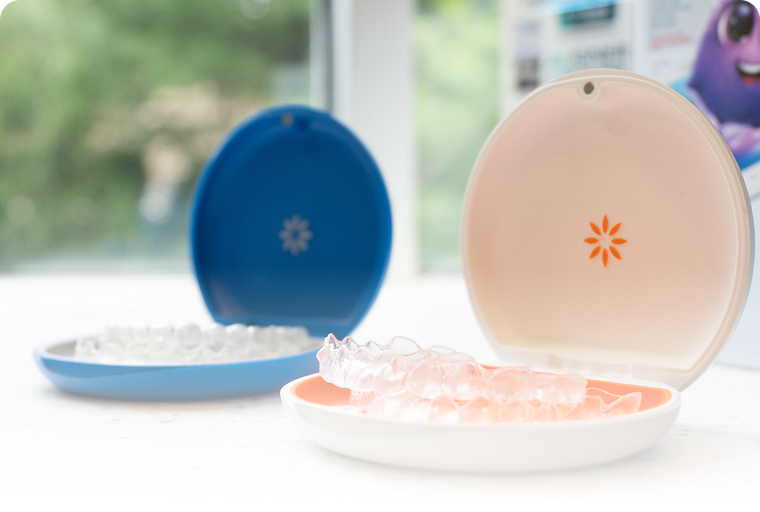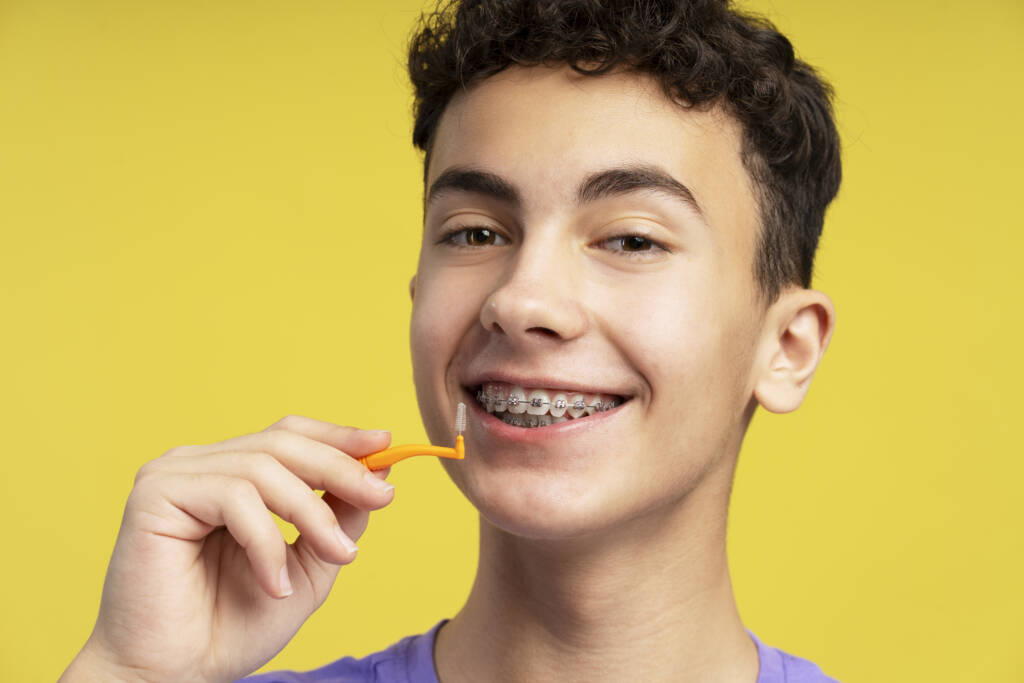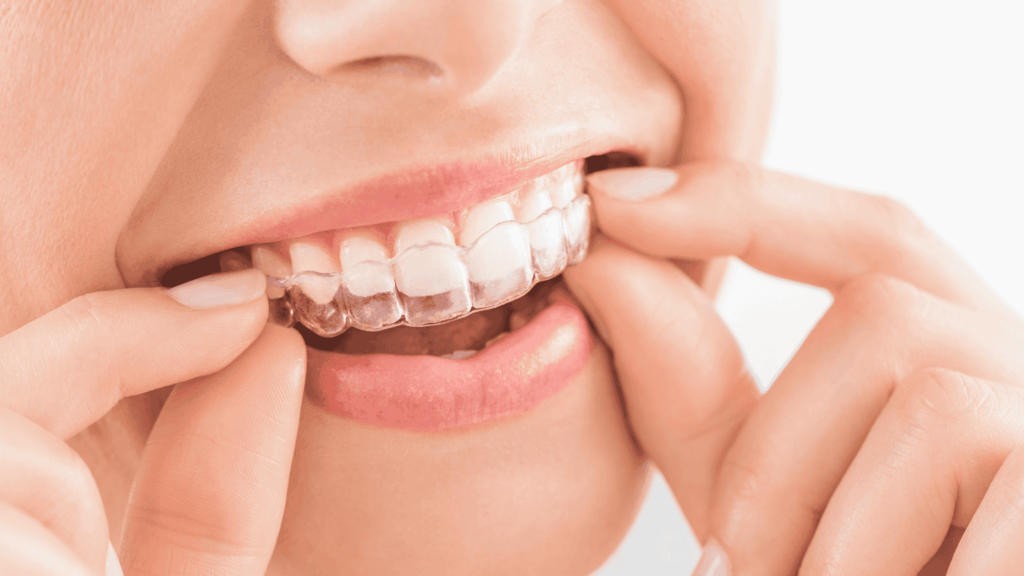




How long Invisalign takes is the first practical question most patients ask after they understand the basics of how the treatment works. The honest answer is: it depends on what your teeth are doing and how consistently you wear the aligners.
The range is genuinely wide. Some straightforward adult cases with minor crowding complete active treatment in 6 to 8 months. Complex cases requiring significant bite correction and extensive tooth movement run 24 to 30 months or longer. The median for most moderate adult cases falls somewhere between 12 and 18 months.
Understanding what determines where your case falls in that range helps set realistic expectations before you start.
What Actually Determines Invisalign Treatment Duration
 Case complexity: This is the dominant factor. The number of teeth that need to move, the distance they need to travel, and the type of movements required (rotations, extrusions, intrusions, torque) all determine how many aligner trays the treatment plan requires. More trays means longer treatment.
Compliance: Invisalign works only when you wear it. The standard recommendation is 20 to 22 hours per day. The research supporting Invisalign’s effectiveness assumes this compliance level. Patients who wear aligners 16 to 18 hours extend their treatment time, often significantly. Patients who wear aligners 22 to 23 hours may finish slightly faster than projected.
Refinements needed: Even with perfect compliance, teeth sometimes do not move exactly as the ClinCheck software predicted. Refinements, additional aligner trays designed to address remaining tooth positions, are a normal part of treatment for many cases. Most practices include refinements in the original treatment fee, but they do add time. A typical refinement phase adds 2 to 4 months beyond the original planned duration.
Attachment design and placement: Tooth-colored resin attachments bonded to specific teeth improve Invisalign’s ability to perform certain movements. Cases with complex movements that require multiple attachments may require more tray changes per unit of movement, affecting duration.
Realistic Timelines by Case Type
Minor crowding or spacing (few teeth, limited movement): 6 to 12 months active treatment. These are the cases where Invisalign’s speed advantage versus braces is most apparent. Simple cases finish quickly with either system, but aligners often finish these fastest.
Moderate crowding, spacing, or bite correction: 12 to 20 months. This is the largest category and the most variable. A moderate case with high compliance and favorable tooth response might finish in 14 months; the same case with lower compliance and some tooth position surprises might run 20 to 22 months.
Complex cases (significant bite discrepancy, many rotations, or anterior open bite): 20 to 30 months or more. Complex cases that previously required braces can now often be treated with Invisalign by experienced providers, but the treatment duration reflects the mechanical work being done.
Retreatment cases (relapsed previous orthodontic treatment): Highly variable depending on the extent of relapse. Minor relapse cases often complete in 6 to 12 months. Significant relapse may require treatment as long as the original.
The Refinement Timeline Reality
Invisalign’s clinical effectiveness rate for completing planned tooth movements in the initial series is not 100%. For typical cases, perhaps 20% to 30% will need a refinement phase to complete the remaining movements after the initial trays are worn.
This is not a sign that treatment is failing. It reflects the normal variability in how individual teeth respond to aligner forces. Your orthodontist tracks progress throughout treatment and initiates refinements when the clinical situation indicates they are appropriate.
The critical point: Gladwell Orthodontics includes refinements in the original treatment fee for most cases. You are not being charged extra when refinements are needed. The treatment continues until the clinical goals are achieved, not until a specific number of trays has been worn.
Compliance: The Factor You Control Most
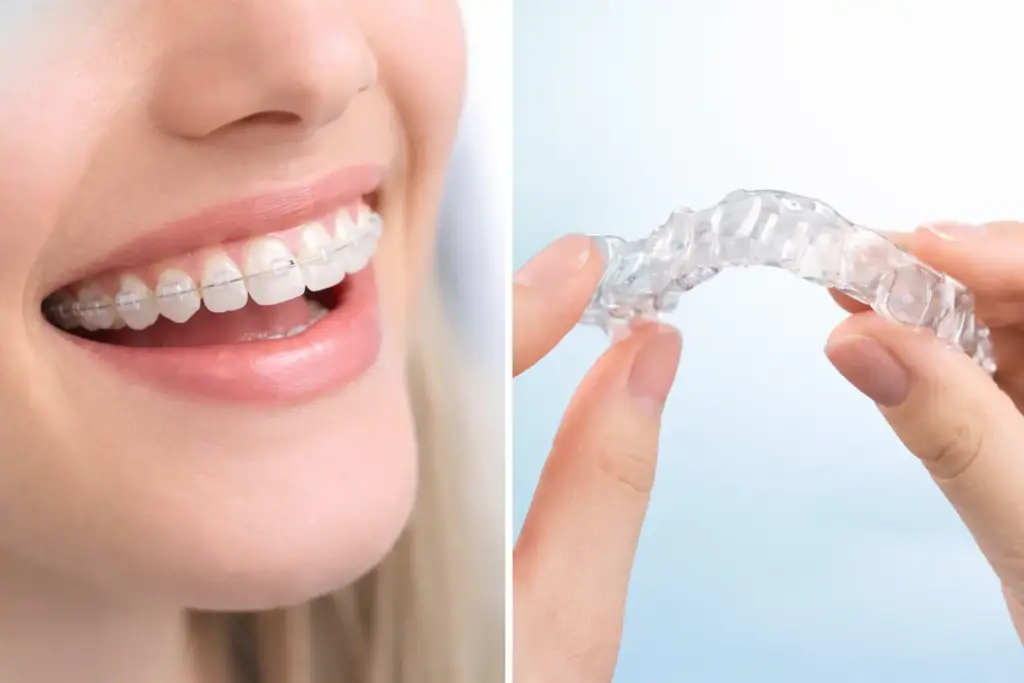
In the variables that determine how long Invisalign takes, compliance is the one most directly within your control after treatment starts.
The mathematics are simple: if you wear aligners for 18 hours instead of 22, you are getting roughly 82% of the tooth movement per day that the treatment plan assumed. Over 20 months of planned treatment, consistent under-wear adds 3 to 5 months to the actual duration.
Practical compliance strategies:
- Remove aligners only for eating and drinking (anything except plain water)
- Put aligners back in immediately after brushing following meals
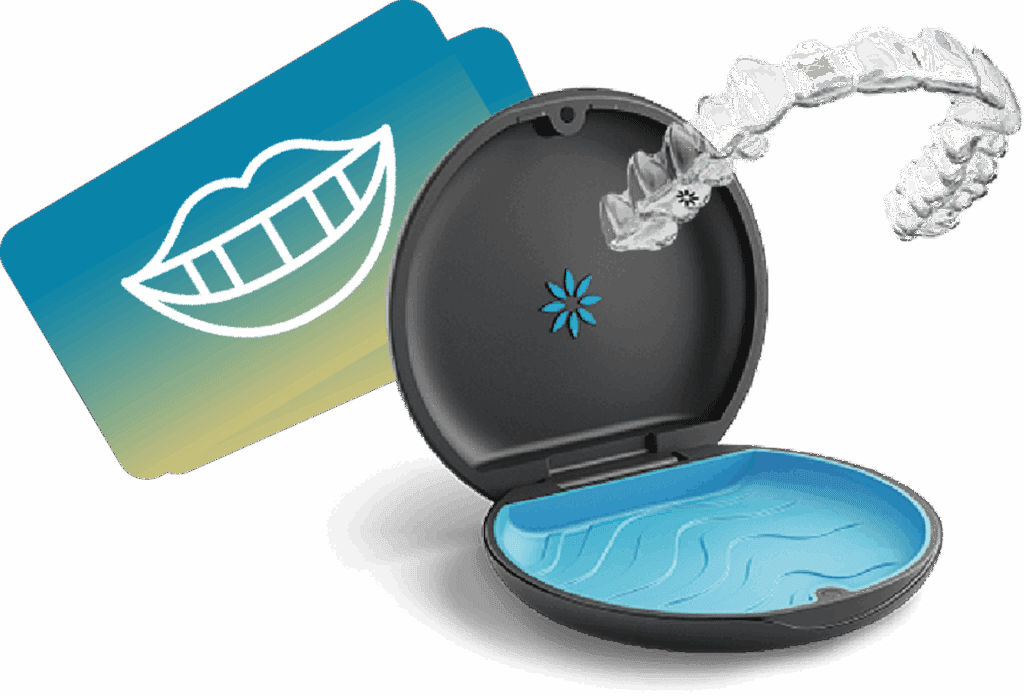
- Keep the aligner case with you so you are not wrapping them in napkins (the primary source of lost aligners at restaurants)
- If you are someone who forgets, setting a phone reminder after meals helps until the habit is automatic
The patients who complete treatment close to the planned timeline are those who treat 22-hour wear as a non-negotiable habit rather than a goal they try to hit most days.
After Active Treatment: Retention Is Forever
Invisalign active treatment ends when you wear the last tray in your final series. What comes after that matters as much as the treatment itself.
Teeth tend to shift back toward their pre-treatment positions. This is not a defect in Invisalign; it is a biological reality of how teeth work. The periodontal ligament that holds teeth in place has a memory, and without retention, teeth drift.
The retention protocol at Gladwell Orthodontics:
- A bonded retainer (thin wire) fixed to the inner surfaces of the front teeth, invisible and requiring no patient action
- Removable retainers for nighttime wear, worn indefinitely (not for 1 to 2 years, but ongoing)
Long-term retainer wear is the commitment that makes orthodontic treatment permanent. Patients who discontinue retainer use within a few years of treatment consistently experience some degree of relapse.
What Does the ClinCheck Simulation Show for Duration?
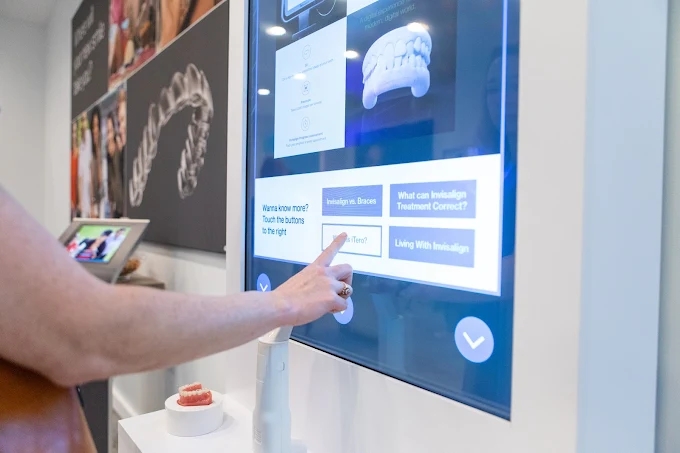 When your orthodontist presents the ClinCheck simulation of your planned treatment, it shows the projected number of trays and approximate treatment duration. This is a plan, not a guarantee, and it is based on assumptions about how your teeth will respond to the aligner forces.
The projection is a useful baseline. If your ClinCheck shows 25 trays at 10 days per tray, that is approximately 8 months of planned treatment. If refinements are needed, add the typical 2 to 4 months for the additional phase.
For most patients, the ClinCheck projection and the actual treatment duration are reasonably close when compliance is consistent. The patients who finish significantly beyond the projected timeline are typically those who wore aligners inconsistently, those whose teeth required more refinement than average, or those whose cases were more complex than the initial ClinCheck predicted.
Questions to Ask Your Orthodontist About Timeline
Before starting Invisalign treatment, these are the questions worth asking:
What is the projected number of trays and planned duration for my case? Get the specific projection from your ClinCheck, not a generic estimate.
Does your fee include refinements? Most practices include standard refinements; verify this before signing any agreement.
How many aligners are in the initial series, and how often will we check progress? Gladwell Orthodontics checks progress every 6 to 8 weeks. More frequent check appointments catch compliance issues and tooth position problems earlier.
What is your protocol if teeth are not tracking to the ClinCheck plan? An experienced orthodontist should be able to answer this specifically, not vaguely. Options include clinical attachments modifications, tray adjustments, or a planned refinement.
What happens at the end of treatment? Understanding the retention protocol before you start helps set expectations for the post-treatment commitment that protects your result.
GIVE US A CALL AT 919-923-8513 OR BOOK YOUR NEW PATIENT EXAM NOW