



For many Raleigh patients, braces remain the most effective path to a fully corrected bite and aligned teeth. Despite the growing popularity of clear aligner systems, traditional and modern ceramic braces offer mechanical advantages for complex cases that aligners cannot replicate. Understanding what current-generation braces actually look like, how they compare to alternatives, and what the treatment process involves helps Raleigh patients make decisions grounded in clinical reality rather than marketing preferences.
Modern Braces Are Not What You Remember
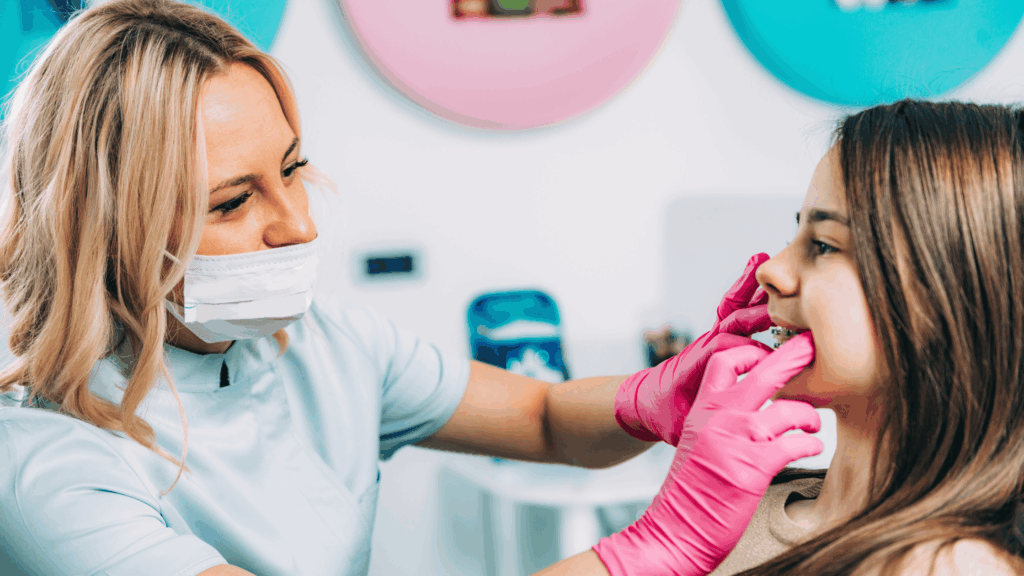
Braces technology has evolved significantly from the thick stainless steel brackets and tight metal wires of 30 years ago. Contemporary braces are smaller, lower-profile, and more comfortable than older generations.
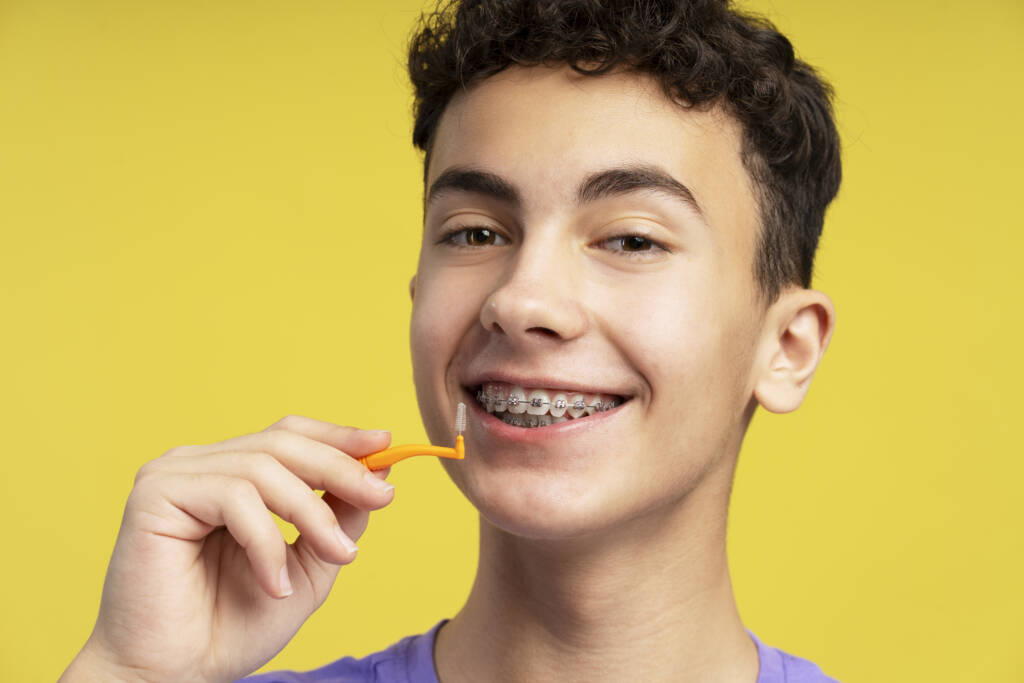
Metal brackets: Today’s metal brackets are significantly smaller than those from the 1990s and early 2000s. The low-profile designs reduce the food-trapping surface area and are more comfortable against the inside of the lips and cheeks. Self-ligating brackets (Damon brackets and similar systems) use a sliding mechanism instead of the elastic ties that hold wires in traditional brackets, reducing friction and potentially shortening treatment time for appropriate cases.
Ceramic brackets: Ceramic brackets are tooth-colored, making them substantially less visible than metal alternatives. They are popular with adults and older teens who prefer discretion. The trade-off: ceramic is harder than natural tooth enamel, which creates wear concerns for lower teeth and means careful attention to occlusion during treatment. They also require more careful hygiene as some ceramics stain with regular coffee, tea, and wine consumption.
Lingual braces: Placed on the inside (tongue-facing) surfaces of teeth, lingual braces are essentially invisible from the front. They are the most discreet fixed appliance option. The primary limitations are higher cost, longer adjustment time, and greater initial discomfort as the tongue adapts.
Cases Where Braces Outperform Aligners
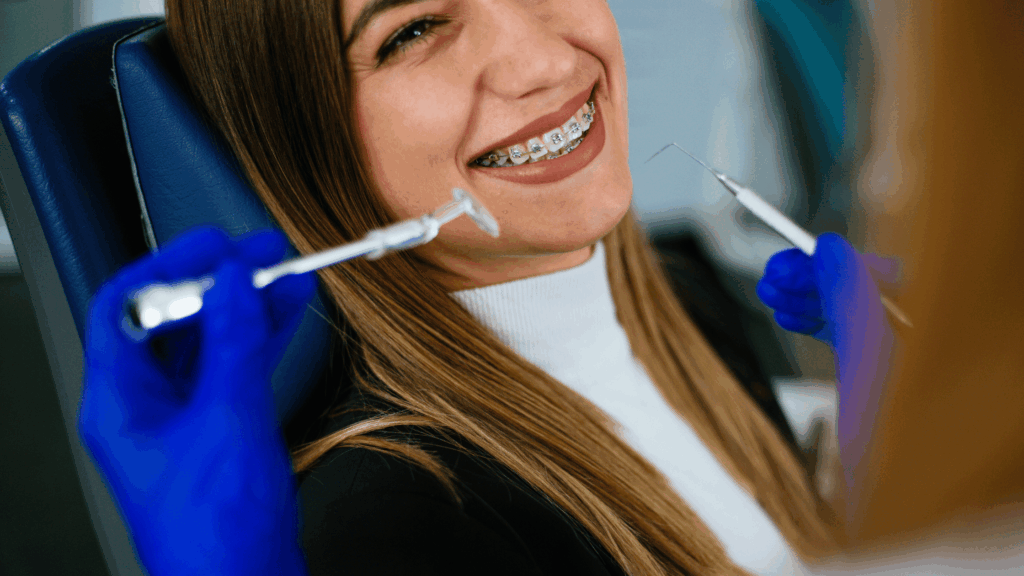
Clear aligner technology has improved substantially, but braces retain clinical advantages for specific presentations:
Complex rotations: Severely rotated teeth require torquing forces that brackets and wires deliver more precisely than aligners. Cases with multiple severely rotated teeth often finish faster and more completely with braces.
Large vertical movements: Moving teeth vertically (extrusion or intrusion) is mechanically more challenging for aligners. Wire mechanics handle these movements more directly.
Compliance-dependent patients: Braces work continuously, 24 hours a day, because the patient cannot remove them. For patients who would struggle with the 22-hour daily wear requirement of aligners, braces provide treatment that is not contingent on patient behavior.
Significant bite correction: Deep bites, open bites, and crossbites with complex mechanics often respond more predictably to the precise force control available with fixed appliances.
Coordinated arch development: Cases that require arch expansion or coordination between upper and lower jaws may use braces in conjunction with expanders and other fixed appliances in a way that does not work with removable aligners.
The Braces Process at Gladwell Orthodontics Raleigh
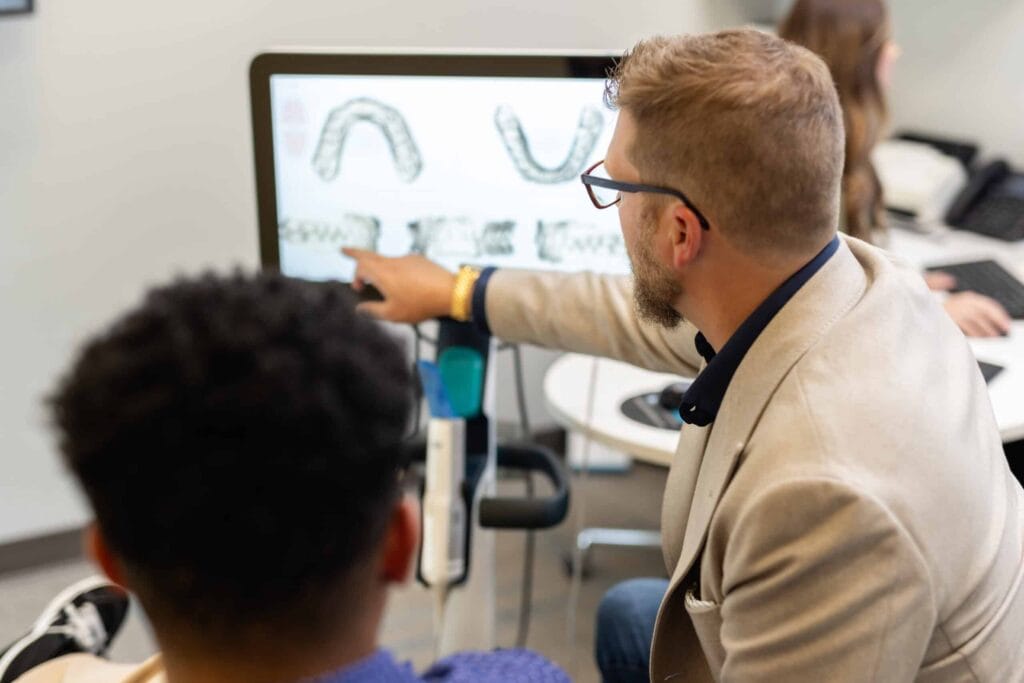
Initial consultation and planning: A comprehensive exam includes digital photographs, a 3D iTero scan, and where indicated, X-rays (panoramic and cephalometric). Your orthodontist develops a specific treatment plan that identifies the mechanics needed for your case.
Bracket placement: The bonding appointment typically takes 1 to 2 hours. Your teeth are cleaned and conditioned, then brackets are bonded using a light-cured adhesive. The first wire is placed. You leave with braces on and specific instructions for the first days.
Adjustment appointments: Adjustments occur every 4 to 10 weeks depending on the treatment phase. At each appointment, wires are changed, elastic ties replaced (if applicable), and clinical progress assessed. Total active treatment for most Raleigh patients with moderate complexity runs 18 to 30 months.
Finishing and debonding: When treatment goals are achieved, brackets are removed and teeth polished. A bonded retainer is placed on the inner surfaces of the front teeth, and removable retainers are provided for nighttime wear.
Orthodontic Elastics: The Secret Part of Treatment
Most braces patients wear rubber elastics at some point during treatment, connecting upper and lower brackets to correct bite discrepancies. These are not just cosmetic; they are doing specific mechanical work that the brackets and wires alone cannot accomplish.
Elastics work only when worn. Full-time wear as prescribed produces the bite correction the treatment plan calls for. Partial or inconsistent elastic wear extends treatment time and may compromise the final result. This is the main compliance element in braces treatment, and it matters.
What Braces Cost in Raleigh
Braces in Raleigh NC are priced based on case complexity and treatment duration. For most straightforward to moderate cases, full braces treatment ranges from approximately $4,000 to $6,500. Complex cases requiring longer treatment, additional appliances, or surgical coordination are priced accordingly.
Payment plans are available at Gladwell Orthodontics, typically with a down payment and monthly installments structured over the treatment period. Dental insurance with orthodontic benefits applies to braces treatment, and Flexible Spending Account (FSA) and Health Savings Account (HSA) funds may be used.
The cost comparison between braces and Invisalign at Gladwell Orthodontics: for cases where both are clinically appropriate, the fees are comparable. The choice becomes a clinical and preference question rather than a cost question.
Why Gladwell Orthodontics for Braces in Raleigh
Gladwell Orthodontics is a specialty practice, meaning every provider is a board-eligible or board-certified orthodontic specialist, not a general dentist offering orthodontic services as an add-on. The distinction matters: orthodontists complete 2 to 3 years of full-time residency training beyond dental school, focused entirely on tooth movement and facial development.
The practice serves Raleigh patients from multiple Triangle locations, making treatment accessible to patients across Wake County and the broader metro area. Appointments are scheduled to minimize disruption to school and work, and the practice has significant experience with adult patients managing busy professional schedules.
What to Expect at Each Braces Appointment
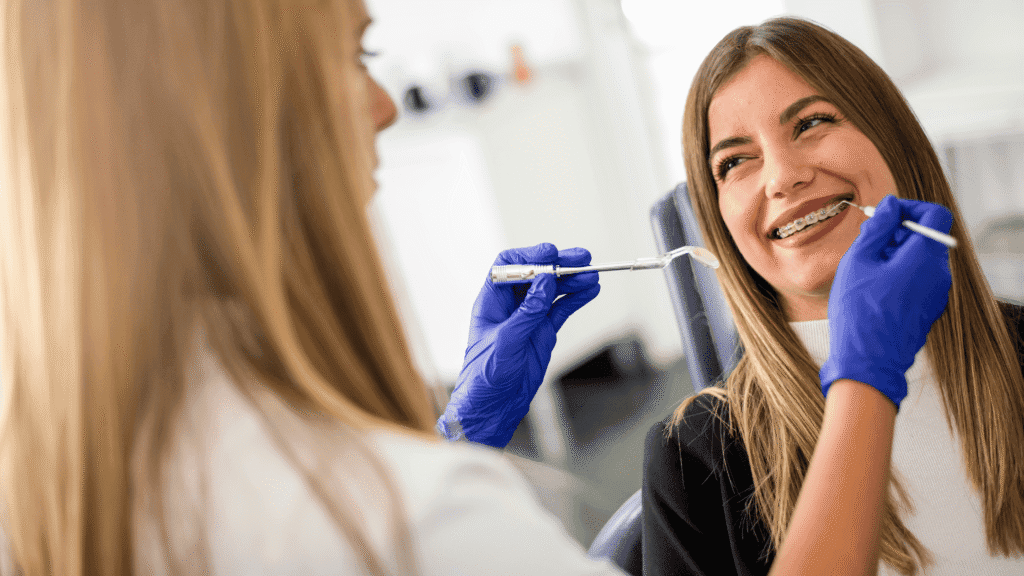
Many patients are uncertain what actually happens at adjustment appointments. Here is the realistic picture:
First appointment (bond-in): The longest single appointment, typically 60 to 90 minutes. Your teeth are cleaned, conditioned, and brackets are bonded. The initial archwire is placed. You will feel pressure and mild soreness within a few hours that typically peaks around day 2 and resolves by day 5. Over-the-counter pain relief (400mg ibuprofen, for example) as needed is appropriate for this initial period.
Routine adjustments (every 4 to 10 weeks): Most appointments run 20 to 30 minutes. Your orthodontist changes wires, checks progress against the treatment plan, and adjusts the mechanics for the current treatment phase. These appointments are not painful during the visit, but you may experience soreness for 24 to 72 hours after new wires are placed.
Elastic instructions: When you reach the bite-correction phase, your orthodontist will demonstrate how to wear rubber elastics. These connect specific brackets using small hooks, and you will change them daily. They are the part of treatment that requires the most patient attention.
Debond appointment: When active treatment is complete, removing brackets takes 30 to 60 minutes. Teeth are polished, and bonded retainers are placed before you leave.
Braces and Oral Hygiene: Protecting Your Investment
Braces create additional surfaces where plaque accumulates. Inadequate hygiene during braces treatment can result in decalcification (white spot lesions) or cavities that require dental treatment when braces come off. These outcomes are entirely preventable with appropriate hygiene.
Electric toothbrushes are significantly more effective around brackets than manual brushing. The Oral-B and Philips Sonicare lines both offer models specifically designed for use with orthodontic brackets.
Flossing with a floss threader or orthodontic flosser (Super Floss, Platypus flossers) is necessary to clean under the archwire. Water flossers (Waterpik) are useful supplementary tools but do not replace mechanical flossing.
Fluoride rinse before bed, after brushing, is recommended throughout treatment to protect enamel at bracket margins where toothbrush access is limited.
Gladwell Orthodontics provides oral hygiene instruction at the bond-in appointment and reinforces it throughout treatment. Patients who follow the hygiene protocol consistently complete treatment with their enamel intact.
GIVE US A CALL AT 919-923-8513 OR BOOK YOUR NEW PATIENT EXAM NOW