



If your teenager has been told they need braces, you probably have a list of questions: how much does it cost, how long will it take, and which option is actually going to work for a 14-year-old who would rather not deal with any of it. Those are fair questions. This guide gives you straightforward answers.
When Should Teens Start Orthodontic Treatment?
The American Association of Orthodontists recommends an initial evaluation at age seven, but most orthodontic treatment for teens begins between ages 11 and 14. This timing takes advantage of natural jaw growth that helps certain corrections happen more efficiently.
That said, there is no hard age cutoff. Patients who did not get treatment as teenagers can absolutely be treated as adults, and outcomes are excellent. The timing recommendation is about efficiency, not eligibility.
Braces vs. Invisalign for Teens: What Actually Works
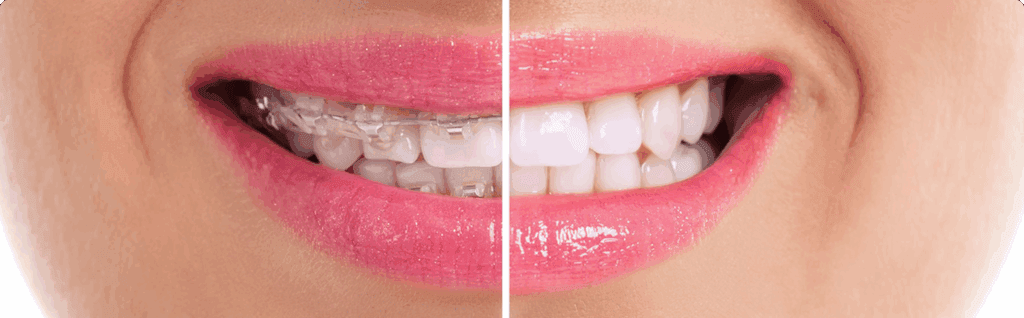
Both options are available to teens, and both work. The clinical choice depends on the complexity of your child’s case and, honestly, how reliably they will wear their aligners.
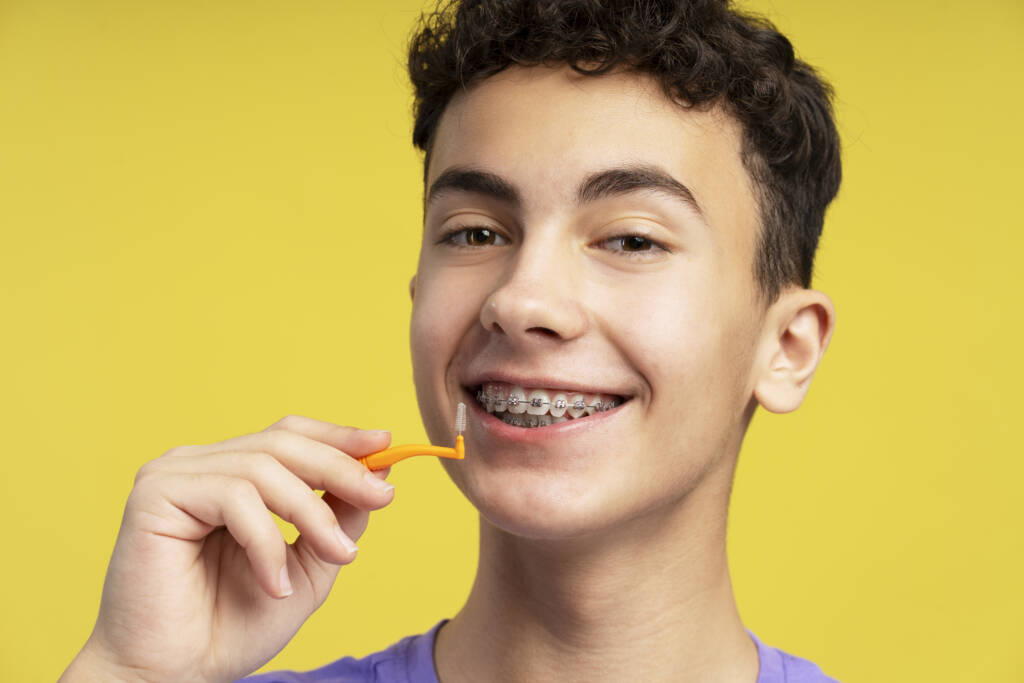
Traditional braces work regardless of compliance because they are fixed in place. They are often the better choice for significant bite corrections, severe crowding, or teens who the orthodontist believes will not maintain 20-plus hours of daily aligner wear.
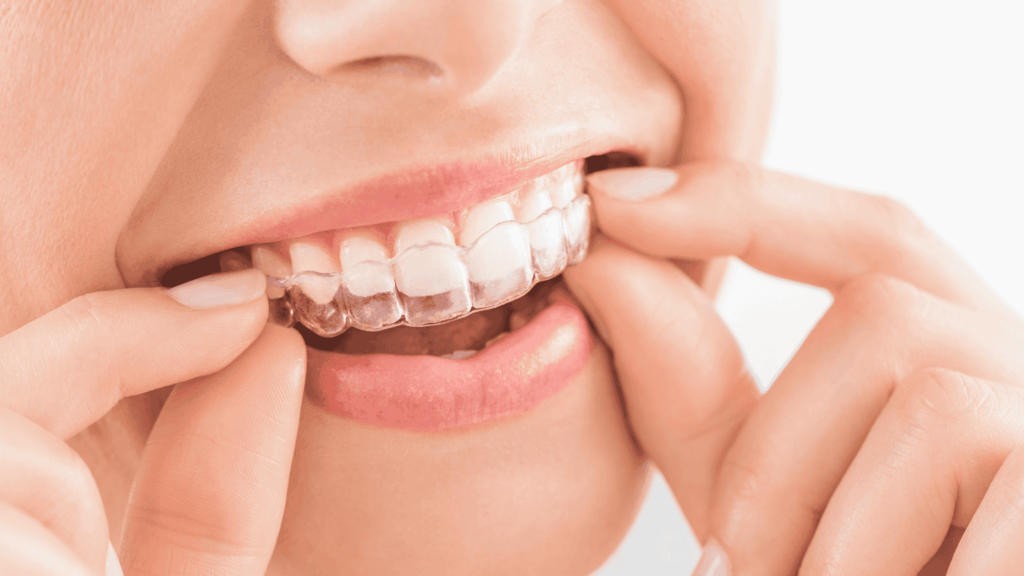
Invisalign Teen includes compliance indicators (blue wear indicators) that help parents and orthodontists confirm the aligners are being worn. For motivated teens who want the aesthetic advantage of clear aligners, it is a viable option.
At Gladwell Orthodontics, we do not steer families toward one option based on preference. The recommendation at your child’s consultation will be based on what the case actually requires.
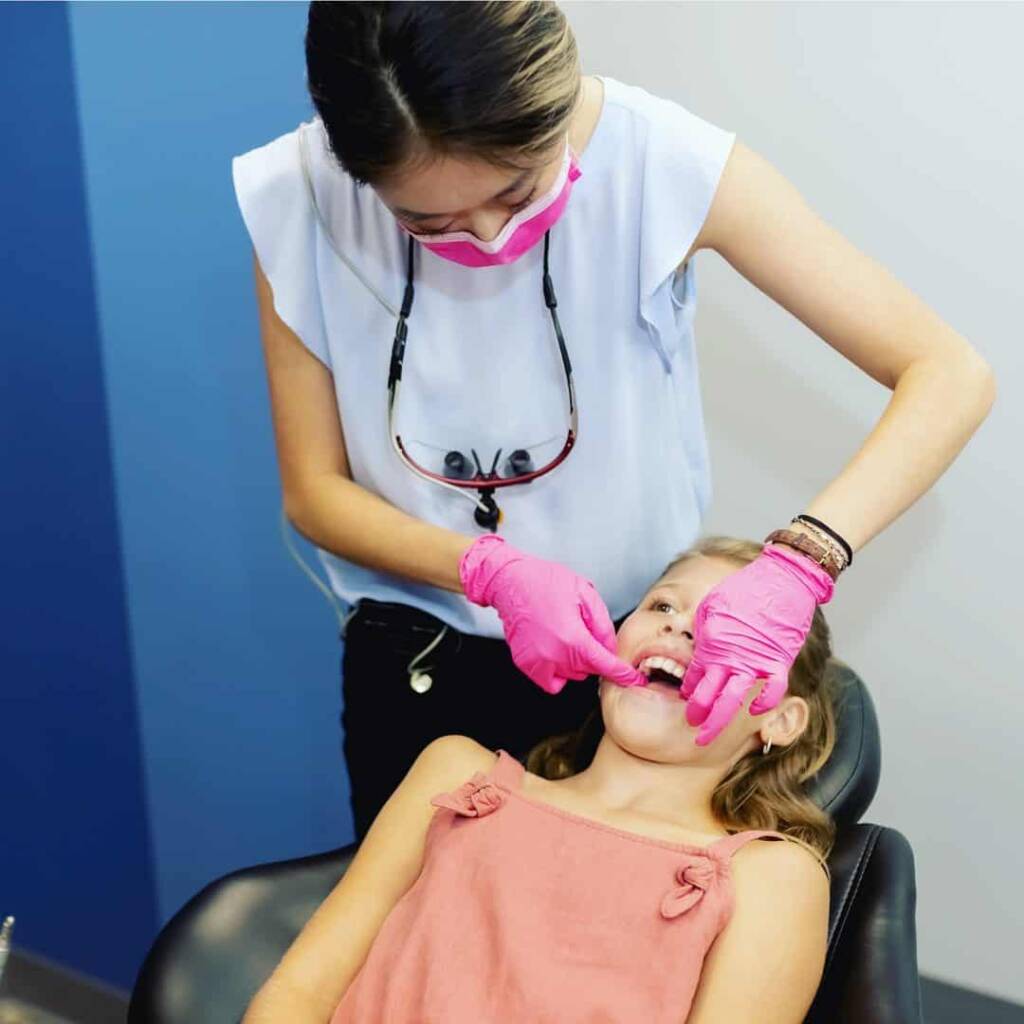
What to Expect During Teen Treatment
Active orthodontic treatment for teens typically runs one to three years depending on case complexity. During that time:
- Your teen will have check-in appointments every six to eight weeks. These appointments are typically 20 to 30 minutes. Missed appointments extend treatment because adjustments happen on a schedule tied to tooth movement.
- For braces patients, food restrictions apply: no hard, crunchy, or sticky foods that could break brackets or pull off wires. The list sounds more limiting than it is in practice, but some teens find this adjustment harder than others.
- For aligner patients, the aligners come out for eating and cleaning, but must be put back in immediately after. Leaving them out during lunch, after-school snacks, and social situations adds up quickly.
Sports and Activities: What Parents Ask Most
Teens in contact sports should wear a mouthguard during play. If your child has braces, an orthodontic mouthguard designed to fit over brackets is the right choice. Aligner patients can remove their trays during play and put them back in after.
Band, choir, and wind instruments: most teen patients adapt without significant difficulty. The adjustment period is a few days to a couple of weeks.
Understanding the Cost
Orthodontic treatment is an investment. The cost varies by case complexity, treatment type, and provider. At Gladwell Orthodontics, we review financial options at the consultation and work with most major dental insurance plans.
Many insurance plans include an orthodontic benefit that applies to dependent children. Our front desk team handles insurance verification and will tell you your exact out-of-pocket cost before treatment begins.
Teen Braces: A Parent’s Guide
As a parent, navigating the world of orthodontic care can feel a bit overwhelming. You want the best possible results for your teenager, but you also have to balance their active lifestyle, their confidence, and the financial investment.
The key to a smooth orthodontic journey for your teen comes down to choosing the right treatment option for their responsibility level and understanding how to support them through the process.
If you’re exploring the best orthodontic paths for your teenager, check out these blogs:
Clear Braces vs. Invisalign: Which Option Fits Your Lifestyle? A must-read for parents weighing the pros and cons of fixed vs. removable options. This guide compares clear ceramic brackets with Invisalign, helping you determine which choice aligns best with your teen’s daily routine, compliance habits, and aesthetic preferences.
The Role of Palatal Expanders in Treatment If your teen has severe crowding or a crossbite, their orthodontist might recommend an expander. This article breaks down how palatal expanders comfortably create the necessary space in the upper jaw, often paving the way for a much faster and more effective braces or Invisalign experience.
Invisalign and Temple Pain: Causes and Relief Tips Whether your teen chooses braces or clear aligners, experiencing some mild soreness or jaw tension is a normal part of moving teeth. This post explains why this discomfort happens during adjustment periods and offers practical, parent-approved tips for quick relief at home.
Can You Tell When an Adult Has Invisalign Retainers In? Don’t let the title fool you—the retention phase is just as critical for teens! This blog offers a great look at what happens after the braces come off, reassuring both parents and teenagers that keeping their new smile in place with clear, discreet retainers won’t impact their social life.
Getting Started at a Location Near You
Gladwell Orthodontics has multiple offices across the Triangle, including Wake Forest, North Raleigh, Downtown Raleigh, and Durham, among others.
The first step is a complimentary consultation, no charge and no commitment. Your teen meets the orthodontist, we take a look at what the case involves, and you leave with a clear picture of your options and costs.