



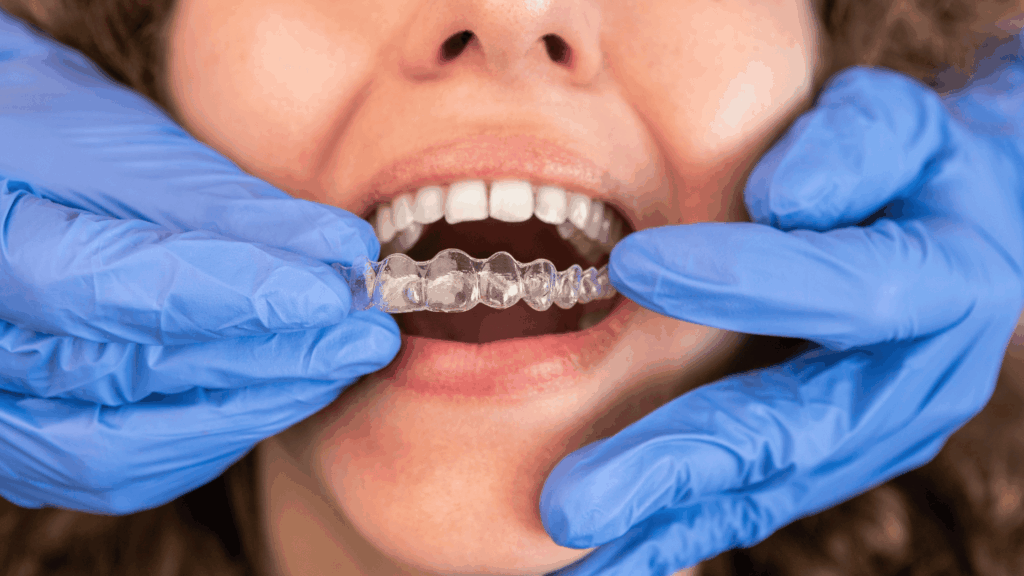
The most common question in an Invisalign consultation, after “does it hurt,” is how long treatment takes. The honest answer is: it depends on your case. But there is a lot more to say than that, and understanding the variables helps you set realistic expectations.
The Range of Invisalign Treatment Timelines
- Mild cases, typically minor spacing or minor crowding, can complete in six to twelve months.
- Moderate cases with more complex tooth movements often run twelve to eighteen months.
Cases involving more significant crowding, bite correction, or multiple simultaneous movements may take eighteen to twenty-four months.
Those are ranges, not guarantees. Your orthodontist at Gladwell Orthodontics will give you a personalized timeline estimate at your consultation based on the specific movements your case requires and how your teeth are likely to respond.
What Actually Determines Your Timeline
Case Complexity
The number of aligners in your series is the first determinant. Simple cases might involve 14 to 20 aligners. Complex cases may involve 40 or more. Each aligner set is typically worn for one to two weeks, so the math gives you a rough floor on treatment length.
Compliance
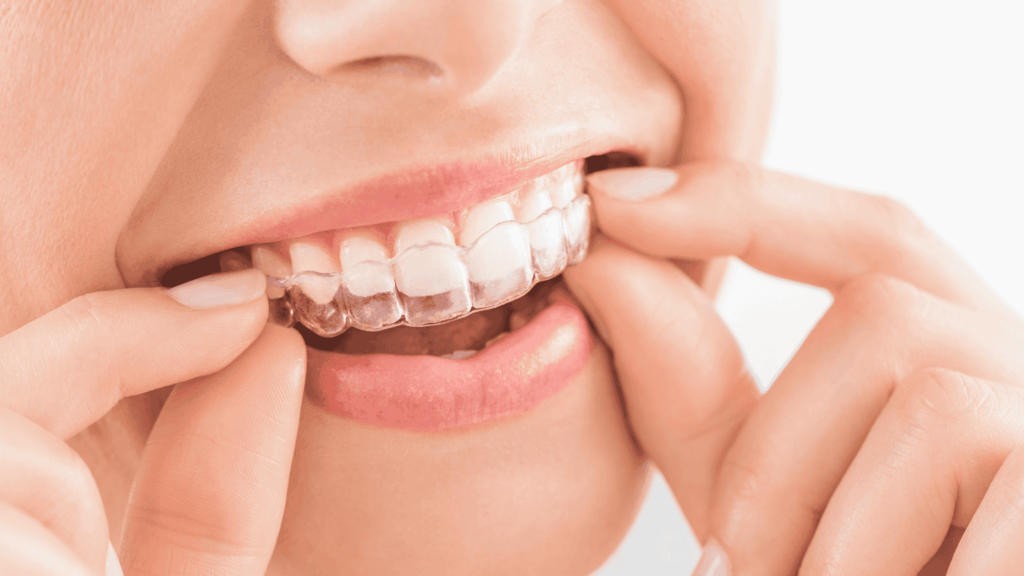
This is the variable most directly under patient control. Invisalign Braces requires 20 to 22 hours of daily wear to stay on track. Consistently removing your aligners for four or five hours a day instead of two will extend your treatment. No exceptions.
Monitoring and Refinements
Most Invisalign cases include a refinement phase. As treatment progresses, your orthodontist may identify movements that need adjustment or teeth that are not tracking exactly as planned. A refinement involves a new set of aligners to address those specifics. How many refinements your case requires affects the total timeline.
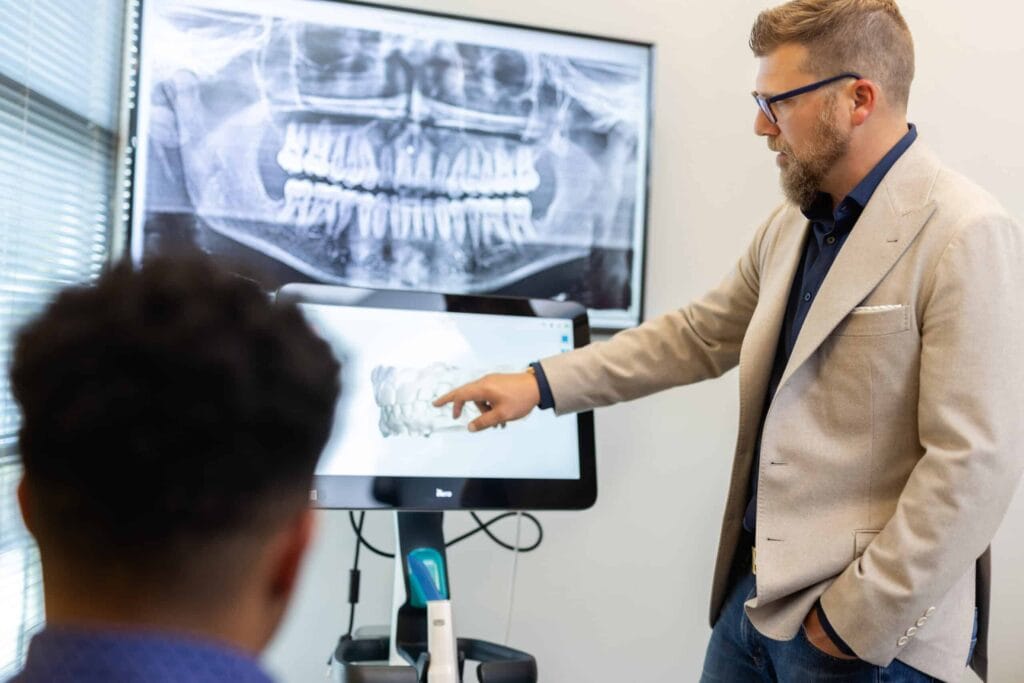
At Gladwell Orthodontics, we monitor treatment progress at regular check-in appointments, typically every six to ten weeks. Active monitoring catches issues early before they require significant correction. See our services page for how we approach aligner treatment.
When Results Come Faster
Some patients complete treatment ahead of their initial estimate. This happens when:
- The case was on the simpler end of its estimated range
- The patient was highly compliant with wear time
- The teeth responded quickly to the aligner pressure
- No significant refinements were needed
It does not happen because a patient wears their aligners more hours than recommended. Twenty to twenty-two hours is the target; exceeding it does not accelerate tooth movement.
After Treatment Ends: The Retention Phase
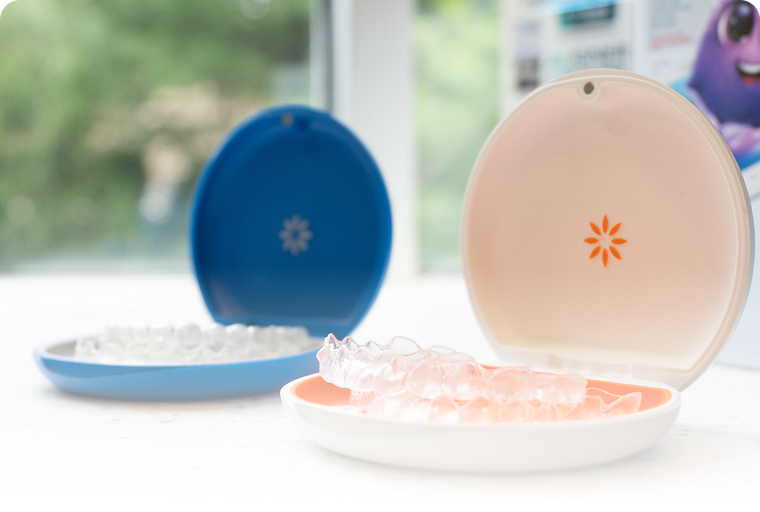
Completing your aligner series is not the end of orthodontic care. Teeth have a tendency to shift after active treatment, and retainers prevent that. Most Gladwell Orthodontics patients transition to retainer wear immediately after finishing their last aligner set.
Retainer schedules vary: full-time wear initially, then typically nighttime only after the first few months. The retention phase is not optional; it is what protects your result long-term.
Is Invisalign Still Worth It if It Takes Longer?
For most adult orthodontic patients, yes. The lifestyle advantages of removable, clear aligners compensate for a longer treatment timeline, particularly for professional adults or patients who prioritize aesthetics during treatment.
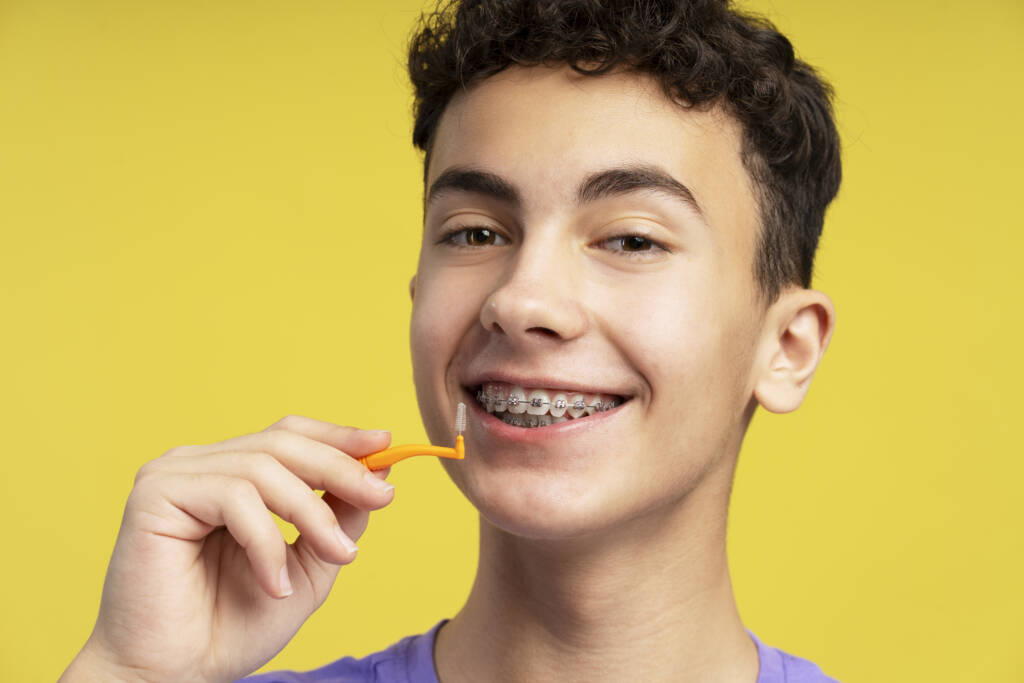
For patients who need the shortest possible total treatment time, cases with significant complexity may actually complete faster with traditional braces. Your orthodontist will factor that into the recommendation.
Gladwell Orthodontics has locations throughout the Triangle, including:
Schedule a complimentary consultation for a personalized timeline estimate.

How Long Does Invisalign Take?
If you are curious about what dictates your treatment timeline and how to avoid unnecessary delays, check out these three helpful blogs:
- Shortest Invisalign Timeframe: What to Expect This post breaks down the core factors that influence your timeline and explains what it takes to qualify for an accelerated 10-week “Invisalign Express” plan. It is a great read if you have minor spacing issues and are hoping for a rapid touch-up rather than a comprehensive overhaul.
- Longest Amount of Time for Invisalign – Why Does It Take Mine So Long? If your treatment is projected to take over a year, you are not alone! This article candidly explores why certain complex issues—like moderate-to-severe crowding, bite misalignment, or large gaps—simply require more time for the jawbone and teeth to safely adapt to the continuous pressure.
- How Long Can I Go Without Invisalign and They Still Work? A helpful reality check on daily compliance. This guide explains why hitting the 22-hour daily wear mark is absolutely non-negotiable for staying on schedule, and exactly what happens to your progress if you leave your trays out for extended periods.